Camping Lanterns: Lighting the Basecamp
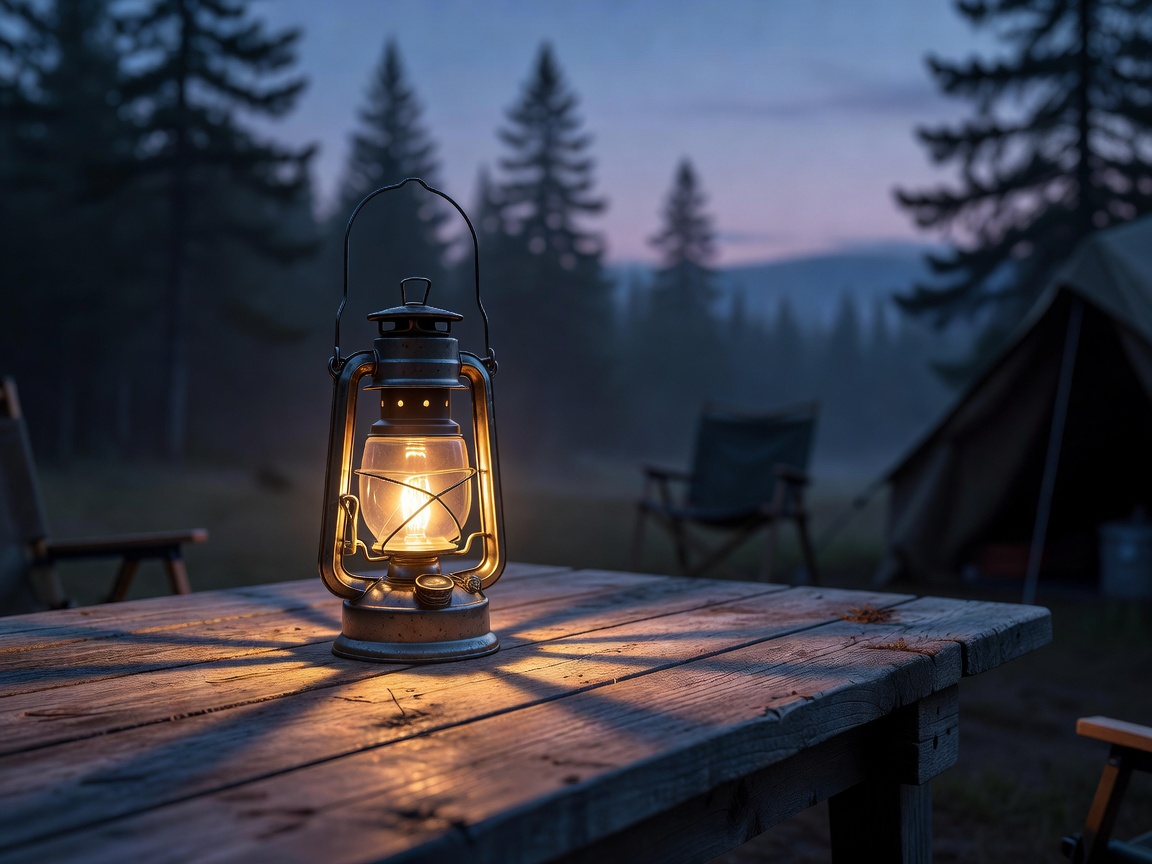
Directional light is excellent for navigating trails, but when you arrive at basecamp, a narrow beam creates harsh shadows and forces everyone to look away to avoid being blinded. Lanterns solve this by taking point-source light and diffusing it 360 degrees, creating a soft, ambient glow suitable for cooking, reading, and socializing.
Diffusion and Glare Reduction
The core technology of a modern lantern is its diffuser. An exposed LED array is intensely bright and uncomfortable to look at directly. Lanterns encase these arrays in frosted polycarbonate or utilize upward-firing LEDs that bounce light off an inverted cone. This drastically increases the surface area of the light source, lowering the perceived glare while maintaining the overall lumen output.
Color temperature is critical here. While cool white (6500K) might look brighter, it feels clinical and sterile—like sitting in an office or a hospital. The best camping lanterns use warm emitters (2700K to 3000K) that mimic the soothing, golden ambiance of a traditional oil lamp or a campfire.
Battery Life and Powerbank Capabilities
Because lanterns are often left on continuously for hours each night, runtime is paramount. High-quality lanterns utilize multiple high-capacity lithium-ion cells, often granting them total capacities exceeding 10,000 mAh. This allows them to run for several nights on a medium setting without needing a charge.
Given these massive internal batteries, many manufacturers include a secondary feature: powerbank output. A USB-A or USB-C output port on the lantern allows campers to siphon power from the light to recharge smartphones, GPS units, or smaller headlamps, making the lantern a central energy hub for the campsite.
Form Factor and Mounting Options
A lantern must be positioned properly to light an area effectively. Key design features include:
- Magnetic Bases: Allows the lantern to be stuck securely to car hoods during repairs or RV sides.
- Carabiner Handles: Essential for hanging the lantern from the peak of a tent or a low-hanging tree branch.
- Collapsible Designs: Some lanterns feature accordion-style silicone diffusers that collapse flat, saving precious space in a backpack.
Whether you choose a micro-lantern for ultralight backpacking or a heavy-duty area light for car camping, prioritizing a warm tint and a strong diffusion material will vastly improve your outdoor experience.