The Anatomy of a Tactical Flashlight
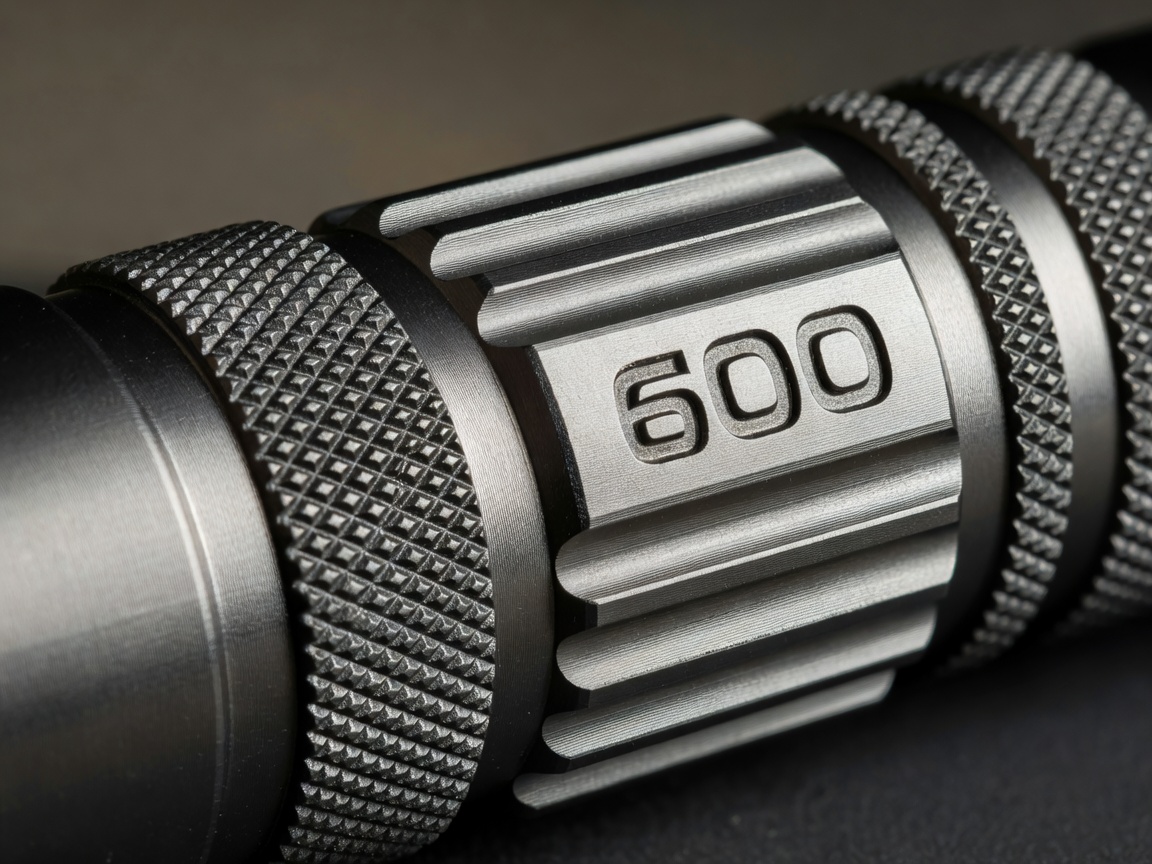
When the term "tactical" is applied to flashlights, it is often misused as a marketing buzzword. However, true tactical illumination tools are built around strict requirements for durability, user interface simplicity under stress, and specialized physical attributes. These lights are not meant for casually walking the dog; they are designed for military, law enforcement, and critical self-defense applications.
Key Attributes of Tactical Lights
To qualify as a tactical light, the device must prioritize reliability over complex, multi-click programmable modes. In a high-stress scenario, fine motor skills degrade. If you have to remember whether to double-click or hold the button for three seconds to access full output, the light has failed its primary mission.
1. The Tail Switch Interface
The defining feature of most tactical flashlights is the tail switch. Mounted at the rear of the device, it allows the user to operate the light using an overhand "ice pick" grip. This grip pairs naturally with a firearm in the other hand (such as the Harries technique) and keeps the thumb securely on the activation button.
- Forward Clicky: Essential for tactical use. It allows for momentary-on activation with a half-press. The light turns off as soon as pressure is released, permitting quick light discipline. A full press clicks it into constant-on mode.
- Dual-Switch Designs: Some models incorporate a primary tail switch for momentary/constant on, flanked by a secondary paddle switch dedicated purely to instant strobe.
2. Crenulated Bezels
A crenulated or "strike" bezel features a scalloped edge machined into the front rim of the light. Originally designed to let light spill out when the flashlight is placed face-down on a table (preventing accidental battery drain), these robust, sometimes aggressive edges also serve as glass breakers or defensive impact tools in emergencies.
Output: Candela Over Lumens
In the tactical space, blinding intensity and target identification at a distance are paramount. While total light output (lumens) matters, the intensity of the hotspot (candela) is arguably more critical. High candela means the beam can pierce through photonic barriers—such as oncoming vehicle headlights or street lamps—ensuring the subject remains visible and momentarily disoriented by the intensity of the beam.
| Specification | EDC Target Range | Tactical Target Range |
|---|---|---|
| Lumens | 300 - 1,000 lm | 1,000 - 3,000+ lm |
| Candela | 2,000 - 8,000 cd | 25,000 - 100,000+ cd |
| Durability | IPX4 to IP68 | Strict IP68, Dual Springs |
| UI Priority | Battery life, low moonlight | Instant access to Turbo/Strobe |
Construction and Durability
True tactical lights are machined from aerospace-grade aluminum (commonly 6061-T6) and treated with Type III hard-anodized coatings. This provides superior resistance to abrasion and corrosion compared to standard Type II anodizing.
Internally, potting—encasing the electronic driver board in a shock-absorbing epoxy compound—is highly sought after. Potting ensures that the violent recoil of a firearm (if weapon-mounted) or the shock of being dropped on concrete will not sever the delicate solder joints on the circuit board. Additionally, dual springs (one at the head, one at the tail) keep the battery from slamming into the driver during impacts, maintaining an uninterrupted electrical connection.
Battery Considerations
Historically, the CR123A primary lithium battery dominated this space. Its 10-year shelf life and extreme temperature tolerance made it reliable for duty use. Today, while CR123As are still supported, the rechargeable 18650 and 21700 lithium-ion cells have become the standard, offering vastly superior runtime and higher current limits to feed modern LEDs. Many top-tier tactical lights offer dual-fuel capability, seamlessly running on either one 18650/21700 or two CR123A cells as a backup.