Everyday Carry (EDC): Light in Your Pocket
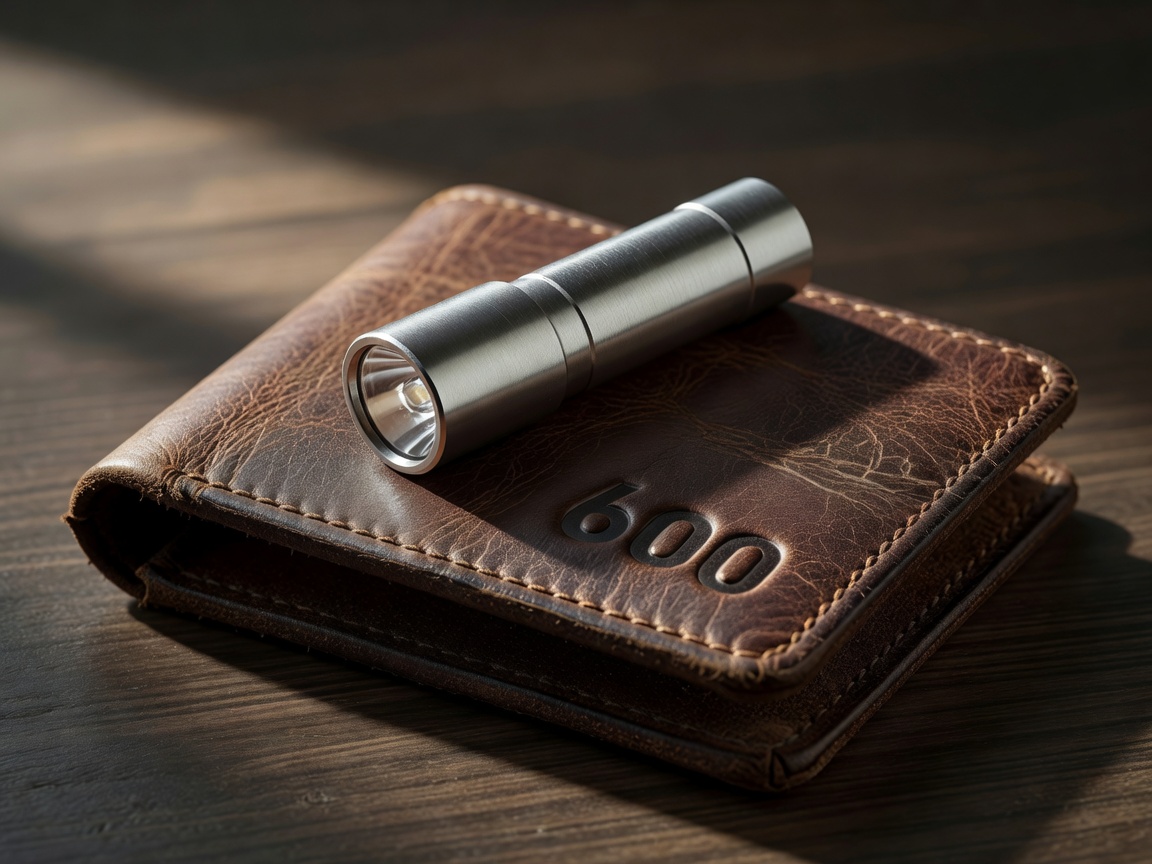
The best flashlight is the one you have with you when the lights go out. This simple philosophy drives the Everyday Carry (EDC) movement. EDC flashlights prioritize size, weight, and clip design without entirely sacrificing output. Unlike their tactical cousins, these lights are meant to disappear into a pocket until needed for mundane tasks like finding dropped keys or navigating a dark driveway.
The Battery Dictates the Size
The form factor of an EDC light is inextricably linked to the battery it houses. Here is a breakdown of the most common EDC battery sizes and what they offer:
- AAA / 10440: The smallest common format. AAA lights fit easily on keychains. While standard alkaline AAA batteries offer low output and leak risks, substituting a lithium 10440 cell in supported lights dramatically increases lumen output, albeit with very short runtimes.
- AA / 14500: The sweet spot for many. The AA size fills the hand nicely without bulging in a pocket. A 14500 lithium-ion cell pushes these lights from a modest 150 lumens up to an impressive 1,000 lumens on turbo mode.
- 18350: Short and stubby. These provide the high discharge rates required by multi-emitter lights but cut the length of standard 18650 lights in half, making for excellent pocket carry.
User Interface and "Moonlight" Mode
An EDC light is used far more often at close range than at long distances. As such, the user interface (UI) needs to cater to these situations. While a tactical light might default to blinding high output, an EDC light benefits heavily from a sub-lumen "moonlight" or "firefly" mode.
Moonlight modes operate at 1 lumen or less. This is crucial for navigating a dark house at night without ruining your natural night vision or waking up family members. Advanced open-source firmware, such as Anduril, offers smooth ramping from a fraction of a lumen all the way to maximum output, allowing the user to select the exact amount of light needed.
The Importance of the Pocket Clip
In the EDC community, a flashlight is often judged as much by its pocket clip as by its beam. A poorly designed clip can snag on seatbelts, shred the edge of a pocket, or fail to secure the light, resulting in a lost tool.
The "deep carry" clip is highly prized. This design folds back over the tail cap, allowing the light to sit entirely below the lip of the pocket, remaining discreet. Additionally, two-way clips allow the light to be clipped to the bill of a baseball cap, instantly converting an EDC light into an impromptu headlamp.
Emitter Selection: CRI vs Output
For everyday tasks—from checking engine fluids to reading a map—color accuracy matters. Color Rendering Index (CRI) measures how accurately a light source reproduces colors compared to natural sunlight. Standard LED emitters often have a CRI of around 70, which washes out colors and makes red wires look brown.
Enthusiasts heavily favor High-CRI emitters (such as the Nichia 519A or the Luminus SST-20 4000K), which score 90+ on the CRI scale. While you might sacrifice 10-15% of maximum lumen output compared to a low-CRI emitter, the resulting beam is infinitely more pleasant to the eye and much more useful for distinguishing detail.